

When the water drops into the 40s and low 50s (°F), walleye stop roaming open water and start using hard edges you can actually reach on foot. Late fall is one of the best windows of the year to catch them from a rocky point, a dam face, or a short shoreline trail—especially when the wind is up and the light is low. You do not need a boat. You need a few good access points, a presentation that stays near bottom, and enough insulation to last through the final hour of daylight.
Why late fall favors shore walleye
Walleye are low-light hunters. As lakes cool and baitfish pack tighter, they slide onto the ends of points, the first drop off a gravel bar, the current seam below a dam, and the mouth of a creek or river. Overcast days can keep them shallow longer. A steady wind that pushes bait into a bank is often better than a glassy calm.
From the bank, look for:
- The tip of a rocky or gravel point, especially where it falls into deeper water
- Windblown shorelines and the calm eddy just around the corner of a point
- Dam tailraces, riprap, and bridge abutments with a hard current seam
- Creek and river mouths where slightly stained or moving water meets the main lake
- Public piers and landings that sit on a break, not just a shallow swimming beach
Work the bottom slowly. A jig and minnow, a compact blade bait or lipless crankbait yo-yoed just off the rocks, or a slender crankbait ticked along the break will usually outfish a lure running high in the water column. Keep contact. If you are not ticking bottom or feeling the blade vibrate, you are probably fishing over their heads. Dawn, dusk, and true dark on a familiar point are classic; a gray, windy midday can be just as good.
Treat the shoreline like a short trail day
The best late-fall walleye shore days are rarely one long session on a single empty corner. They are a string of public points, dam lots, and boot-worn paths between pullouts. Hit two or three edges before dark instead of hoping one spot will turn on. A short walk between casts keeps your feet warm and puts a jig in front of fish that just moved up with the wind.
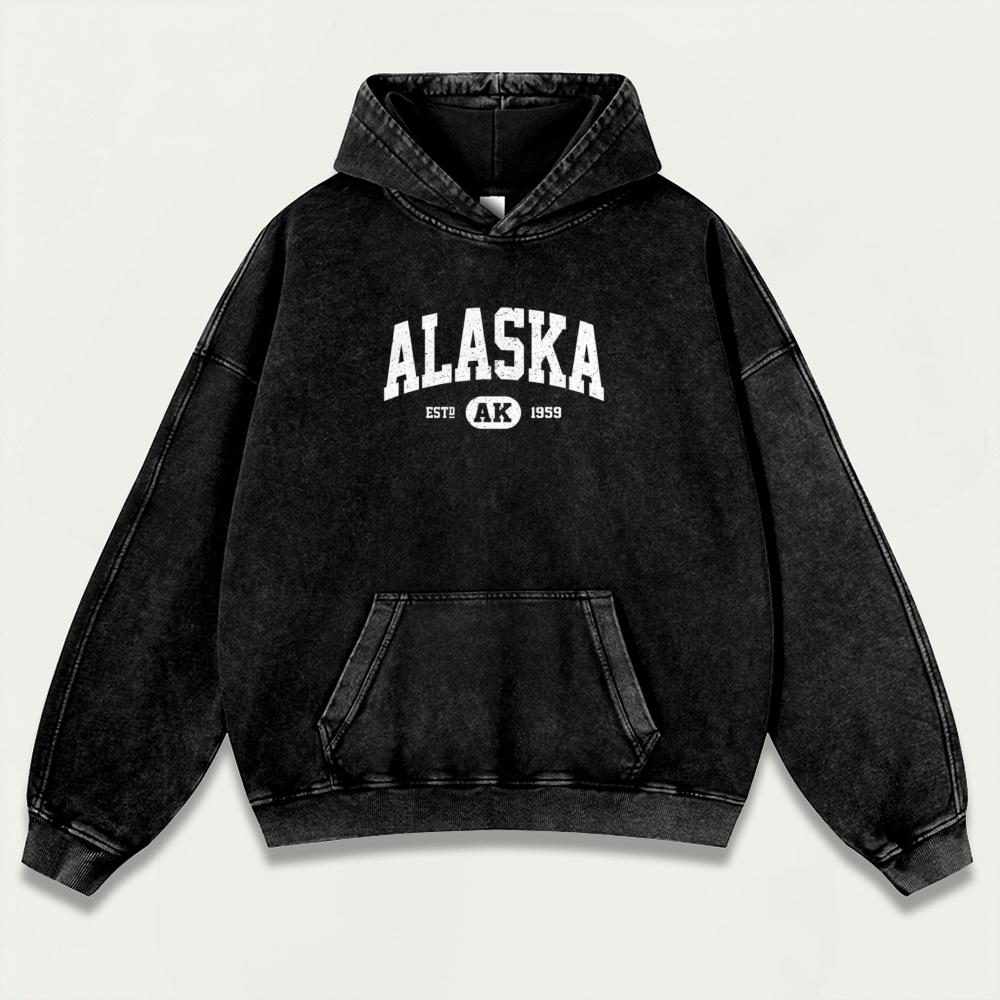
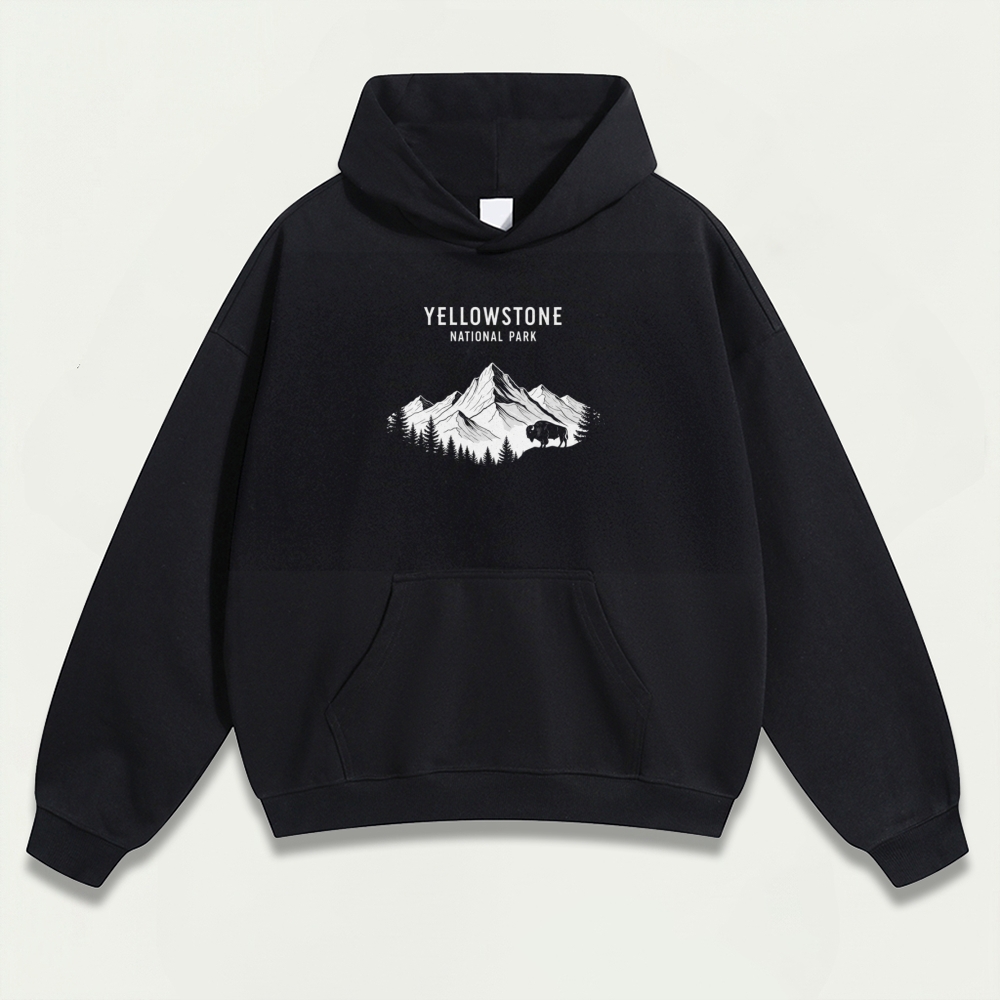
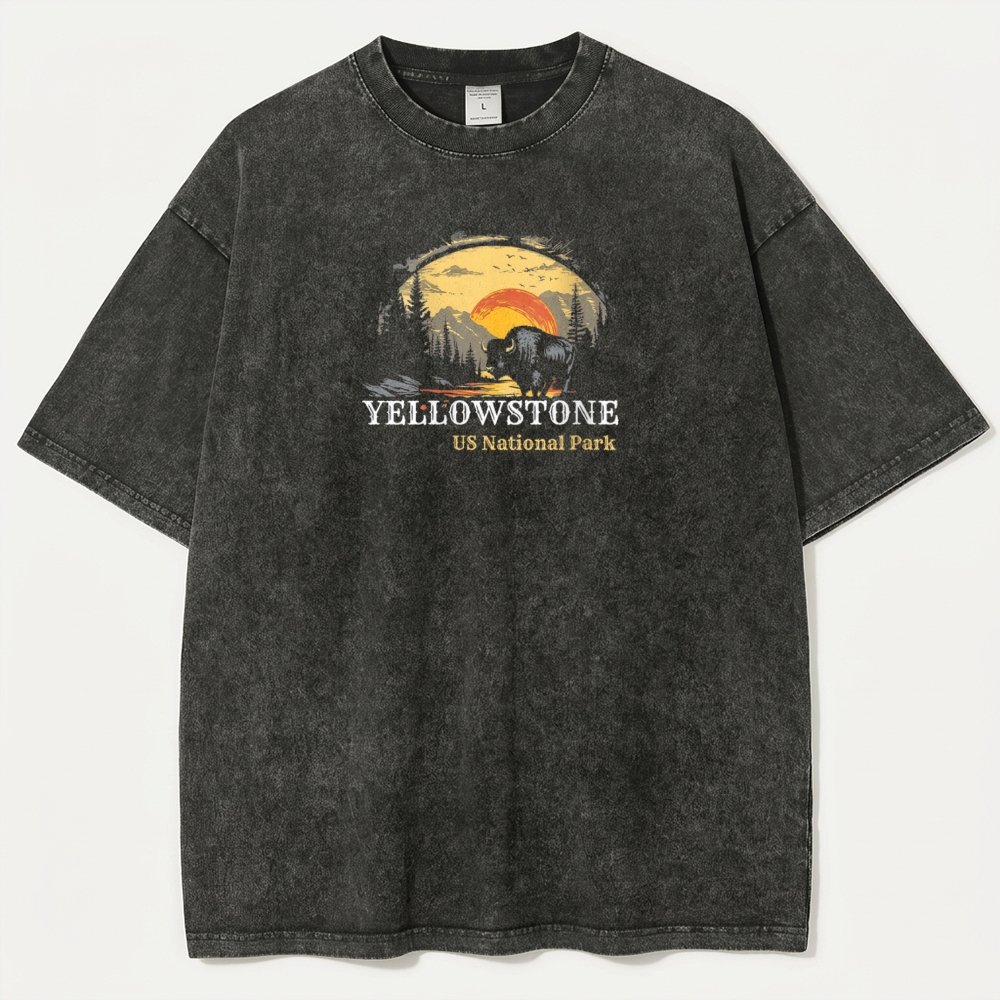
The hard part is the stand-still—and, often, the wait for low light. After a brisk hike down a point, you may fish the same drop for forty minutes in a lake wind while the sun slides off the water. Dress so you can walk without overheating, then hold still without shivering when the bite window finally opens. A soft heavyweight hoodie over a base layer, with a light shell in the pack, is easier to manage than one stiff coat you have to shed on the walk in and fight back into at dusk.
Browse zander-themed trail layers like the Zander Heavyweight Trail Hoodie when you want a warm mid-layer that still looks right at the landing. Walleye and zander are close cousins—same lean profile, same habit of hunting when the light gets thin. For a heavier, broken-in feel, see the Zander Vintage Premium Heavyweight Trail Hoodie. If you want a more general lake-day graphic for the same cold-bank sessions, the Lake Fishing Heavyweight Trail Hoodie fits the same layering system. More fishing artwork lives in the Fishing collection.
Quick late-fall walleye checklist
- A medium to medium-light rod with a sensitive tip and fresh line you trust in the wind
- A small box of jigs, blade baits, and slender crankbaits in natural baitfish and perch colors
- A few fathead or shiner minnows if they are legal and practical where you fish
- A headlamp for the walk out—late-fall bites often start when the lot is already dark
- Polarized sunglasses for reading the first break before the light fades
- Soft mid-layer hoodie plus a packable wind or rain shell
- Thin gloves you can jig in, or strip quickly for a hookset
- A small landing net and a wet rag—handle fish fast in cold air
- Ice-aware boots; late-fall riprap, points, and dam faces get a film of slime or frost
If the same lake also holds pike along the weed edge, our Northern Pike collection covers those graphics the same way—trail-ready layers for a mixed-bag afternoon on one shoreline.
Fish the point with care
Late-fall walleye can look tough and still stress quickly in cold air. Check local seasons, size limits, and bag limits before you go, and consider keeping only what you will eat. Unhook fish in the water when you can, support the body, and get photos done quickly. Night fishing on a short public point means lights kept low, voices down, and room left for the next angler walking in.
Pack out every scrap of line and bait bag—monofilament in a bare November bush lasts all winter. Watch your footing on wet rock and riprap after an overnight freeze. If you fish a dam or tailrace, stay well behind posted lines and treat moving water with respect.
Wrap-up: fish the wind, then wait for the light
Late-fall walleye reward anglers who treat the shoreline as a trail of points: walk, read the first break, keep the bait near bottom, and stay long enough for the light to fade. Stay warm enough to be patient, and the last hour is often the best hour.
Ready to layer up for the next cold, windy point? Shop fishing-themed trail layers in the Fishing collection or browse all heavyweight trail hoodies built for frosty riprap, wet trails, and the ride home.