

When lakes drop into the 40s (°F), muskie stop making long midsummer circuits and start using edges you can actually reach on foot. Late fall is the classic window: the last green weeds, a windblown point, a rock-to-weed transition at a public landing. You do not need a boat. You need a few honest structural corners, a big bait you can work slowly, and enough insulation to keep casting after the follows dry up.
Why late fall favors shore muskie
Muskie feed hard before ice. As baitfish tighten up and weeds thin, the fish pin forage against the first deep edge of a remaining cabbage bed, the tip of a rocky or gravel point, the inside turn of a weed point, and the mouth of a creek or river where slightly warmer or stained water meets the main lake. A gray, windy day that pushes bait into a bank is often better than a bright calm.
From shore, look for:
- The outside edge of the last green weeds, especially where the bed corners or cuts into a pocket
- Rocky or gravel points that fall into deeper water, and the weed-to-rock transition on either side
- Dam riprap, bridge abutments, and the first drop off a public landing
- Creek and river mouths, saddles, and narrows you can reach from a shoreline trail
- Windblown banks where bait is stacked, and the slightly calmer eddy just around the point
Fish bigger than your pike instinct, and slower than a summer burn. A large bucktail or spinnerbait, a long jerkbait with long pauses, a big rubber swimbait, or a diving crankbait that ticks the top of the weeds will usually outfish a small, fast lure. The retrieve is only half the cast. Muskie often follow to the bank and commit in the last few feet—sweep the bait in a wide, figure-eight-style arc along the shoreline, or stall it in the water in front of you before you lift off. If you snap the lure out the moment it reaches your feet, you will miss the fish that came the whole way in.
Walk the shoreline like a real trail day
The best late-fall muskie shore day is rarely six hours on one famous dock. It is a string of public points, dam lots, and boot-worn paths between weed corners. Hit two or three quality edges thoroughly instead of spraying casts into empty flats. The walk keeps you warm and puts a big bait in front of a fish that just slid up with the wind.
The hard part is the stand-still—and the volume of casts. After a brisk hike down a point, you may work the same weed tip for forty minutes in a lake wind, finishing every retrieve as if a follow is already there. Dress so you can walk without soaking a mid-layer in sweat, then hold still and keep casting without shivering when the light gets flat. A soft heavyweight hoodie over a base layer, with a light shell in the pack, is easier to manage than one stiff coat you have to shed on the walk in and fight back into at the next point.
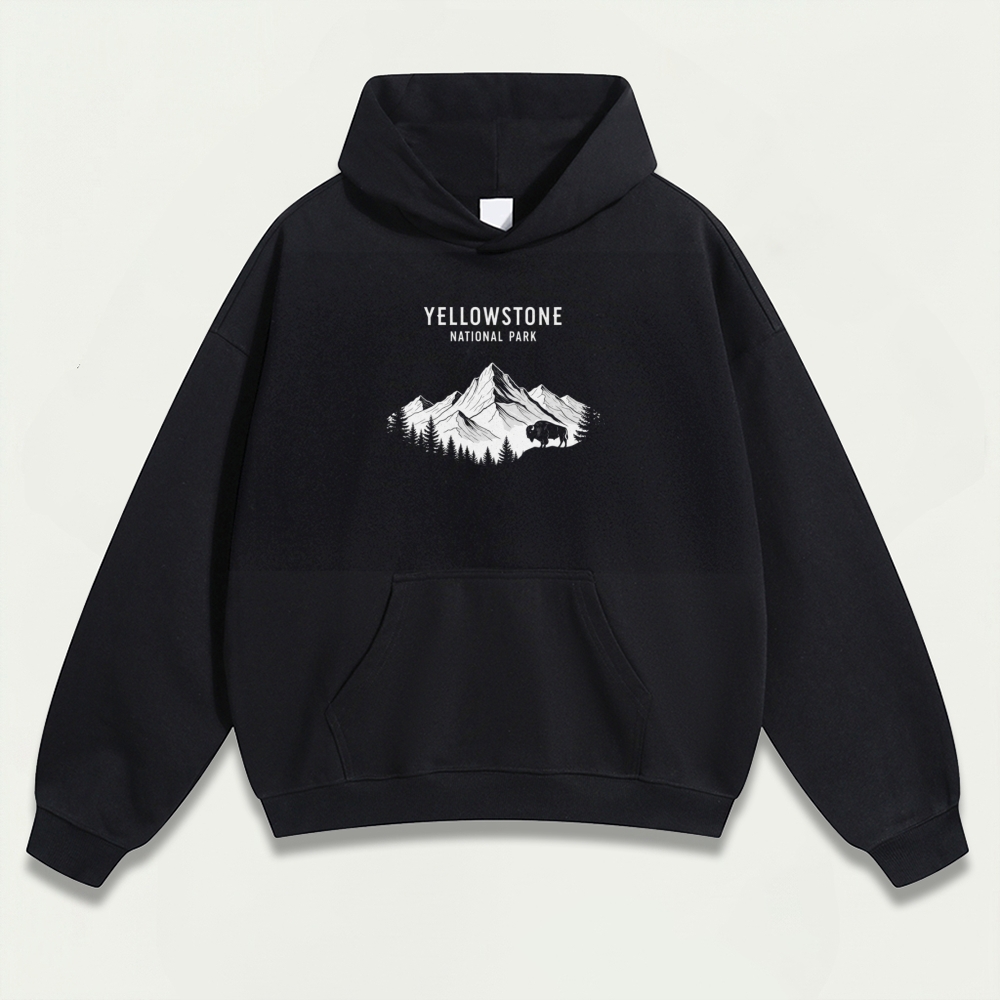
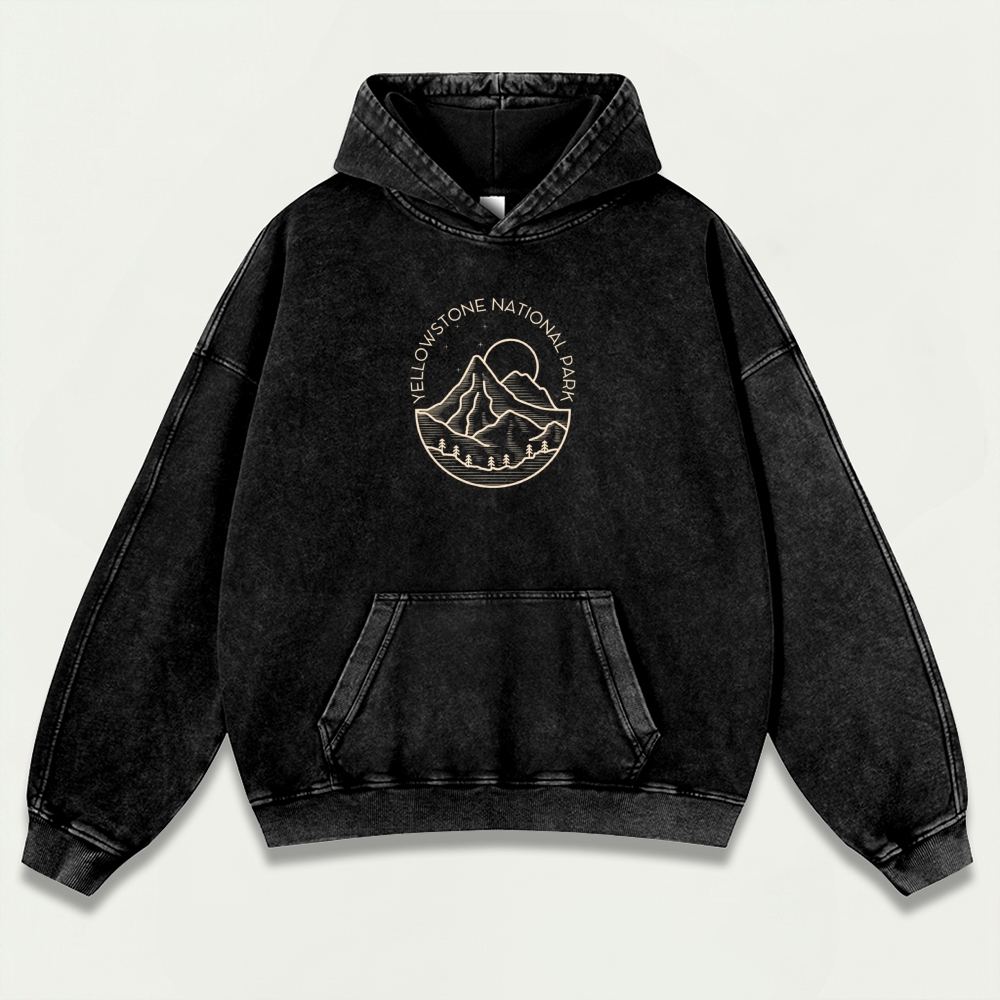
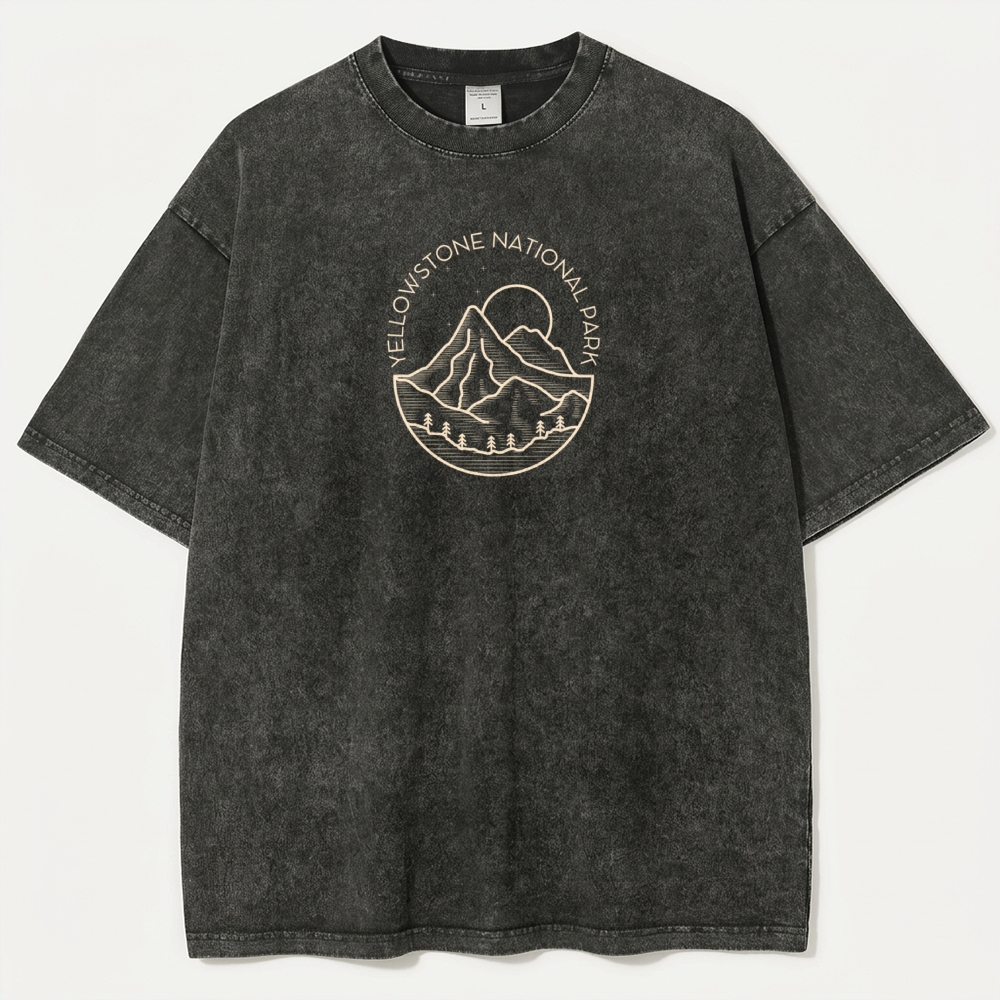
Browse muskie layers like the Muskie Heavyweight Trail Hoodie when you want a warm mid-layer that still looks right at a cold landing. For a heavier, broken-in feel, see the Muskie Vintage Premium Heavyweight Trail Hoodie. If you want a more general lake-day graphic for the same long shoreline sessions, the Lake Fishing Heavyweight Trail Hoodie fits the same layering system. Muskie and northern pike often share the same weed edges; more pike artwork lives in the Northern Pike collection.
Quick late-fall muskie checklist
- A heavy or medium-heavy rod with a strong backbone and fresh, abrasion-resistant line
- A short tray of large bucktails, jerkbaits, swimbaits, or crankbaits you can work slowly
- A quality steel or heavy fluorocarbon leader—muskie are toothy, and late-fall weeds still cut
- Long-nose pliers, a hook cutter, and a jaw spreader; a large net or cradle if you plan to land fish
- Polarized sunglasses for reading weed edges and spotting follows before they fade
- Soft mid-layer hoodie plus a packable wind or rain shell
- Thin gloves you can work a big bait in, or strip quickly for a hookset
- A headlamp for the walk out—short November days end while you are still on the trail
- Ice-aware boots; late-fall riprap, points, and weed-matted rocks pick up slime or frost
If you want a broader set of angler graphics for the same cold-bank days, more fishing artwork lives in the Fishing collection.
Fish the edge with care
Late-fall muskie can look indestructible and still stress quickly in cold air. Many waters are catch-and-release, or they carry special size and season rules—check regulations before you go. Keep fish in the water when you can, support the body horizontally, and never hang a big muskie vertically by the jaw. Unhook quickly, keep fingers away from the teeth, and get photos done in seconds, not minutes.
Give other anglers room on short public points and dam faces. A muskie follow is not an excuse to wade into someone else's water. Pack out every scrap of line and leader—heavy wire and fluorocarbon in a bare November bush lasts all winter. Watch your footing on wet riprap after an overnight freeze, and treat dam current with respect.
Wrap-up: walk the edges, then finish every cast
Late-fall muskie reward anglers who treat the shoreline as a trail of structure: walk to the next honest weed corner or point, work a big bait slowly, and finish every retrieve as if the fish is already there. Stay warm enough to be patient, and the last follow of the day is often the one that eats.
Ready to layer up for the next cold, windy point? Shop fishing-themed trail layers in the Fishing collection or browse all heavyweight trail hoodies built for frosty riprap, wet shoreline trails, and the ride home.