

When the last salmon slides off the main current, steelhead are often already in the same drainage—or just arriving. Late fall is when these sea-run rainbows settle into cold, walkable water: a tailout you can reach from a gravel bar, a slot below a riffle, a river trail that keeps going after the first bridge crowd thins out. You do not need a boat. You need a slower presentation, a few honest holding lies, and enough insulation to fish one seam long after your hands want to quit.
Why late fall favors bank steelhead
Steelhead in cooling rivers are not chasing the way a midsummer trout might. In water that has dropped into the 30s and 40s (°F), they hold where the current lets them rest without giving up a travel lane: the first deeper bucket below a riffle, the soft inside of a bend, a mid-river seam you can reach with a downstream angle, and the slightly slower pad along a ledge, wing dam, or fallen tree. After a rain, fish may slide upstream overnight. In low, clear water they hug slightly deeper slots and spook if you stand tall on the skyline.
From shore, look for:
- The first walking-depth trough where a riffle dumps into darker, slower water
- Inside bends and the darker seam between fast water and the bank
- Tailouts that flatten and deepen before the next drop
- Bridge shadows, ledges, and riprap that break the main push
- Gravel bars and trail access points that let you swing or drift into mid-river without wading deep
Keep the lure or fly in the lane, near bottom, and slower than your salmon-run instinct. A bead or egg pattern dead-drifted through the slot, a jig under a float, a small spoon or fly swung across and then hung in the seam, or a yarn fly ticked along the rocks will usually outfish a fast retrieve. In the coldest water, add a pause that feels too long. If you are not occasionally ticking or feeling the current load the line, you are probably skating over their heads.
Walk the river like a real trail day
The best late-fall steelhead stretch is rarely the first pool by the parking lot. It is a string of holds along a river path, a railroad grade, or a muddy boot trail between pullouts. Walk past the crowded bridge water when you can. Cover two or three honest lies instead of staring one famous hole into submission. The walk keeps you warm and puts a drifted bead in front of fish that arrived on last night's rise and have not seen a dozen anglers yet.
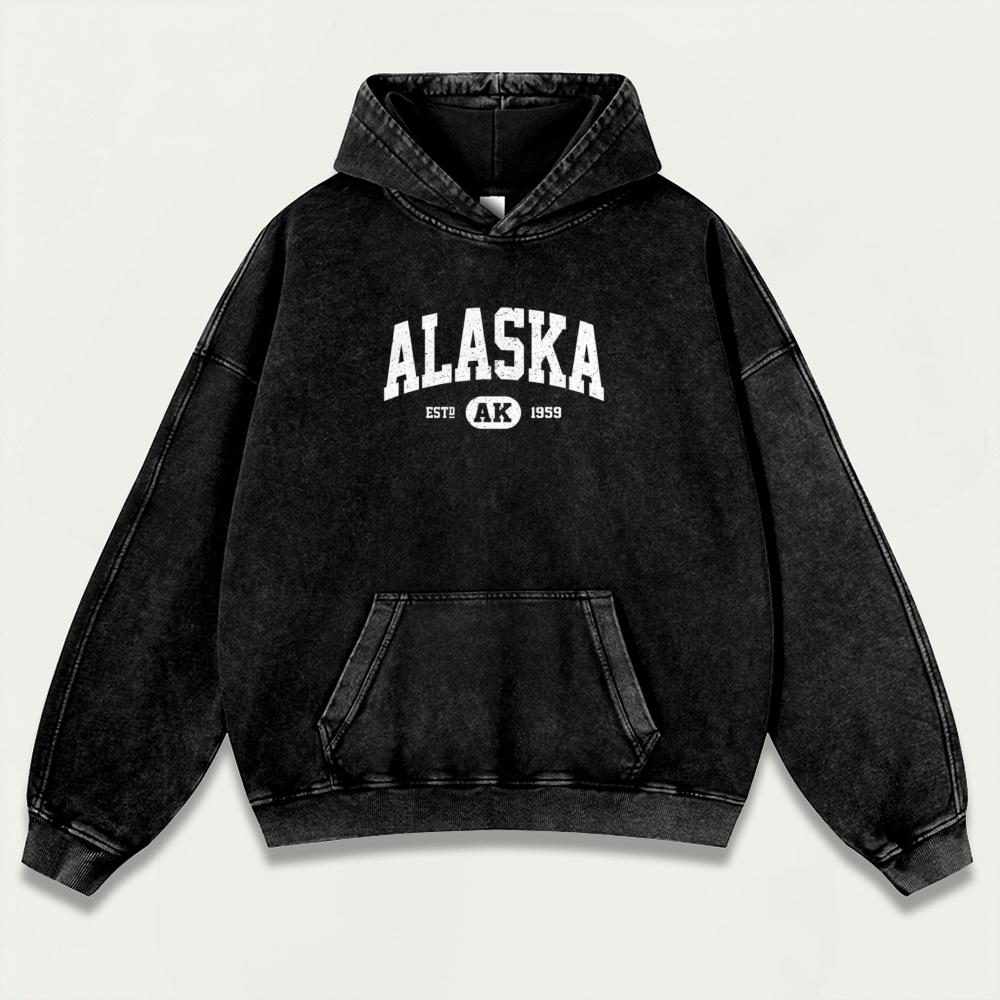
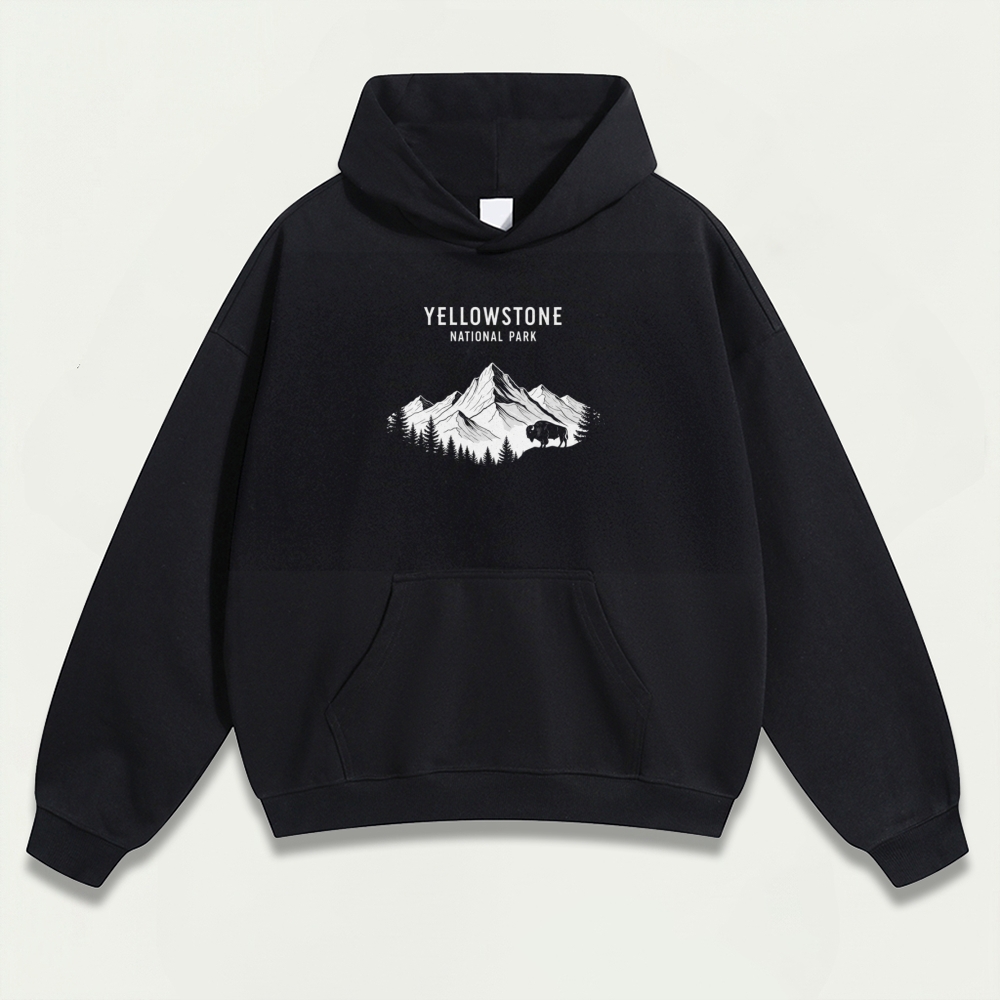
The hard part is the stand-still. After a brisk hike, you may fish one tailout for half an hour in a river wind while the water sits in the 30s. Dress so you can walk without soaking a mid-layer in sweat, then hold still without shivering when the fish finally moves. A soft heavyweight hoodie over a base layer, with a light shell in the pack, is easier to manage than one stiff coat you have to peel on every climb and fight back into at the next slot.
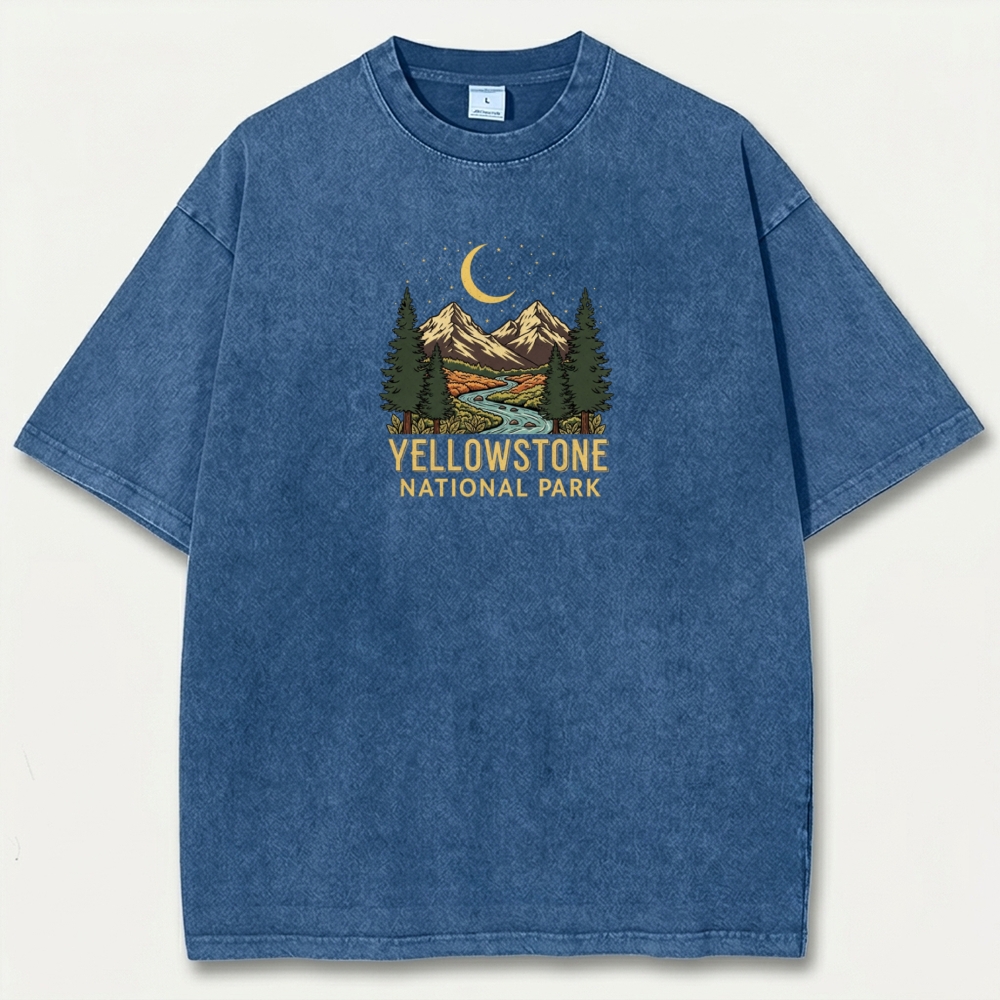
Browse river-trout layers like the Rainbow Trout River Heavyweight Trail Hoodie when you want a warm mid-layer that still looks right at a gravel-bar trailhead. Steelhead are sea-run rainbow trout, and that river graphic fits the walk between runs. For a heavier, broken-in feel, see the Rainbow Trout Vintage Premium Heavyweight Trail Hoodie. More trout artwork lives in the Trout collection, and if the same river still has late salmon, the Salmon collection covers those graphics the same way.
Quick late-fall steelhead checklist
- A medium rod you trust in current, with fresh line and a leader you will actually replace
- A short tray of beads, jigs, small spoons, or flies that match how locals actually fish that river
- Polarized sunglasses for reading seams and spotting fish without hovering over them
- Soft mid-layer hoodie plus a packable wind or rain shell
- Thin gloves you can drift or swing in, or strip quickly for a hookset
- Long-nose pliers, a hook file, and a small rag—handle fish fast in cold air
- Sticky-soled boots and, if you wade at all, a staff; late-fall rocks pick up a film of ice or algae
- A headlamp for the walk out—short November days end while you are still on the trail
If you want a more general angler graphic for the same cold-river days, more fishing artwork lives in the Fishing collection.
Fish the run with care
Late-fall steelhead can be bright and still stress quickly in cold air. Many of these fisheries are catch-and-release, or they close for one species while another stays open—check seasons, gear rules, and bait restrictions before you go. Keep fish in the water when you can, support the body, and get photos done quickly. Leave spawning gravel alone if salmon or steelhead redds are still visible; a clean, lighter patch of riverbed is not a shortcut to the next slot.
Give other anglers a wide berth on popular bridge pools and trail access. High, cold current is not the place to crowd someone on slick rock. Pack out every scrap of line—monofilament in a bare November bush lasts all winter.
Wrap-up: walk farther, then fish slower
Late-fall steelhead reward anglers who treat the river as a trail with a current: walk past the first easy pool, read the next seam, fish it slowly and thoroughly, then move. Stay warm enough to be patient, and the hang in the tailout is often the whole bite.
Ready to layer up for the next cold river morning? Shop fishing-themed trail layers in the Fishing collection or browse all heavyweight trail hoodies built for icy gravel bars, wet river trails, and the ride home.