

Late Fall Largemouth Bass: Bank Tips for Cool-Water Anglers
Cool water changes how largemouth bass feed—and how long you can stand still on a windy bank. As nights drop and lakes turn over, bass slide toward steeper breaks, remaining weed edges, and hard cover that holds baitfish. If you fish from shore or hop short trail stretches between access points, late fall can be one of the most honest bass windows of the year: fewer boats, clearer patterns, and fish that reward a slow, confident presentation.
Why cool water favors bank bass
Largemouth don’t vanish when the water cools; they concentrate. Look for places where deep water sits a cast from the bank and where bait still shows:
- Outer weed edges that still hold green or dying mats next to a drop
- Rocky points and riprap that catch wind and push bait in
- Docks, laydowns, and bridge abutments with shade and depth nearby
- Creek mouths and canal cuts where stained or slightly warmer water meets the main lake
Work slower than your summer instinct. A pause that feels awkward in July is often perfect in November. Soft plastics on a light jig head, a compact spinnerbait rolled along the break, or a slow-sinking swimbait give cold bass time to commit without burning energy.
Trail hops between bass banks
A lot of solid late-fall bass water sits a short walk from a pullout, dam, or shoreline path. Treat the day like a light hike with a rod: hit two or three spots instead of camping on one empty stretch. That rhythm covers more structure before the light fades and keeps your body warmer between casts.
Standing still in a cold wind is harder than walking. Layer so you can move hard for ten minutes, then hold still for twenty. Soft heavyweight mid-layers over a base shirt beat a single stiff jacket you can’t adjust. Quiet fabric helps when you’re sneaking the last few yards to a clear dock edge or weed line.
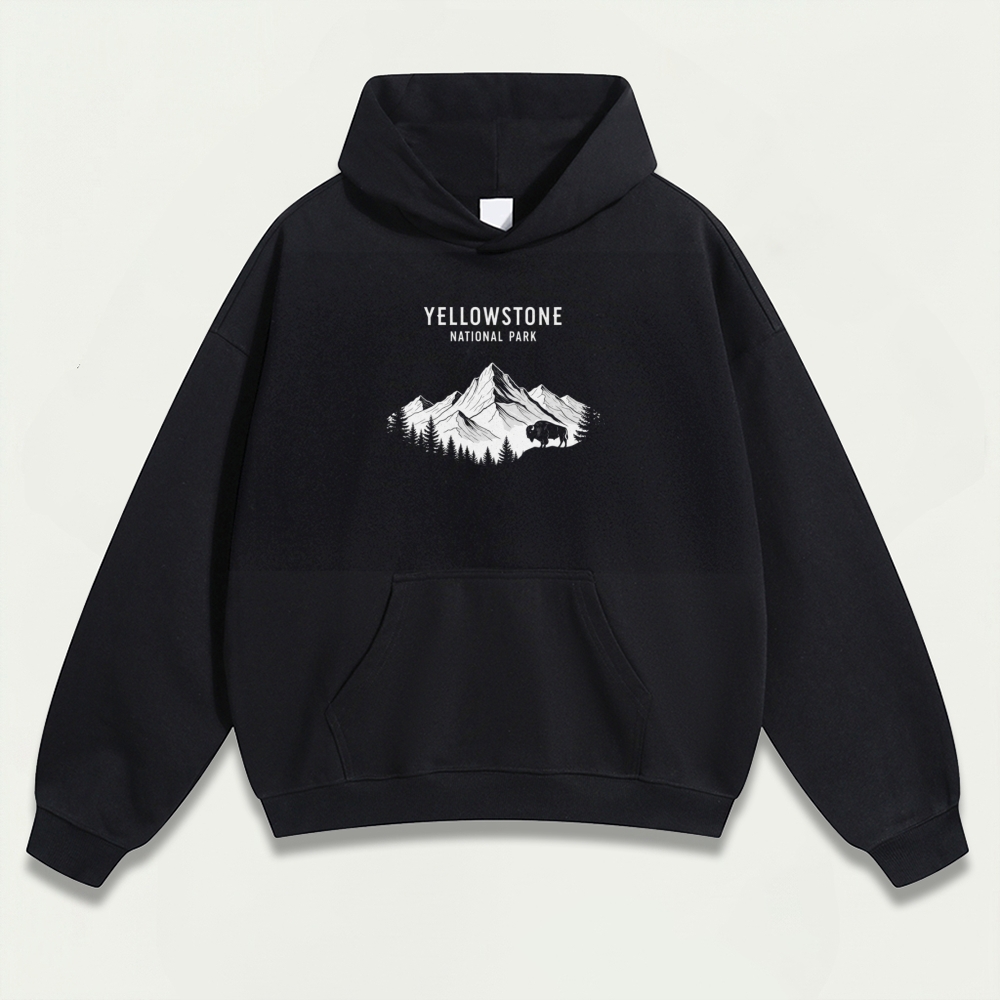
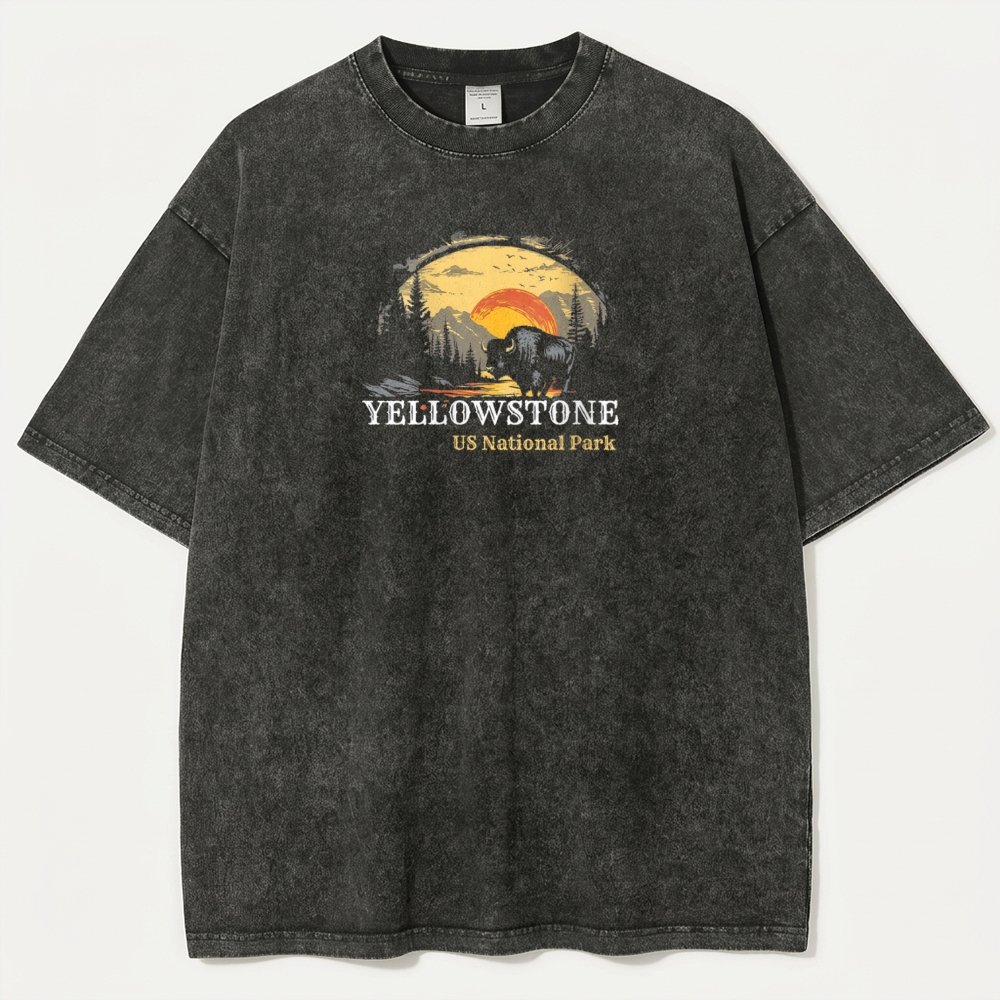
Browse bass-themed trail layers in our Bass collection, including the Largemouth Bass Heavyweight Trail Hoodie when you want a warm mid-layer that still looks right at the trailhead. Also see the Bass Forest Heavyweight Trail Hoodie and the Six Pound Bass Heavyweight Trail Hoodie.
Quick late-fall bass checklist
- Medium-heavy spinning or casting rod you trust for dock skips and weed edges
- A short tray of soft plastics, compact spinnerbaits, or swimbaits you can slow-roll
- Polarized sunglasses for reading shade lines and shallow flats
- Soft mid-layer hoodie plus a wind shell that packs small
- Thin gloves you can cast in, or strip quickly for a hookset
- Long-nose pliers and a short ruler—handle fish fast in cold air
If your weekend route also hits trout water on the way, our Trout collection covers those graphics the same way—trail-ready layers for the drive between lakes and rivers.
Handle cool-water fish with care
Late-fall bass can look tough and still stress easily out of the water. Keep them wet, support the belly, and get photos done quickly. Watch for icy rocks and muddy banks after overnight freezes. Give other anglers room on popular points, and pack out every scrap—cold wind makes litter travel farther than you think.
Wrap-up: slow down, stay warm, cover water
The anglers who stick late-fall bass sessions aren’t tougher—they’re warmer and more patient. Dress so the wind doesn’t chase you back to the car, fish the first break slowly, and move when a stretch goes quiet.
Ready to layer up for the next cool-water bank day? Shop the Bass collection or browse all heavyweight trail hoodies built for crisp mornings on the bank and the trail.