

By late November, brown trout have left the summer lies and the easy dawn-patrol seams of early fall. They slide onto gravel, stage in the first deep slot below a riffle, and tuck into the darker water at a tributary mouth—places you can often reach on foot from a public river trail. You do not need a boat. You need a quiet approach, a short list of presentations that stay in the zone, and enough insulation to keep walking and casting after the rocks go slick.
Why late fall favors shore brown trout
Brown trout spawn in fall, and the late window is less about covering every riffle at first light and more about finding the gravel, then fishing the water next to it. Pre-spawn and post-spawn fish often hold in the first bucket below a gravel tail, along an undercut or logjam, or in the slightly deeper wintering slot just off a feeder creek. They can be territorial and willing to move for a streamer, but they are also easy to put down in clear, low water. An overcast day that keeps the light flat is often kinder than a bright, low sun glinting off every stone.
From shore, look for:
- Gravel tails and the first deep bucket or seam below a riffle you can reach without walking on the gravel itself
- Tributary mouths and the first bend or confluence pool below a cold feeder creek
- Undercut banks, logjams, and deeper wintering holes adjacent to spawning gravel
- Soft seams and the far-bank shade line along a public river path, not the skinny water on top of a redd
- Midday windows on the coldest days, when fish may slide up from a deeper slot after the air and water have evened out
Fish the darker, slightly deeper water beside the gravel—not the redd. A carefully dead-drifted egg pattern or small nymph through the slot, or a slowly swung or stripped streamer across the first break, will usually beat charging across the shallows. Keep your profile low. Late-fall river water is often clear enough that a high, hurried approach ends the chance before the first cast.
Walk the river like a real trail day
The best late-fall brown trout shore day is rarely six hours on one famous pool. It is a string of public access points, gravel bars, and boot-worn river paths between honest pieces of water. Hit two or three quality slots thoroughly instead of lining every visible fish on the first bar. The walk keeps you warm and puts a quiet presentation in front of fish that have not been stepped over all morning.
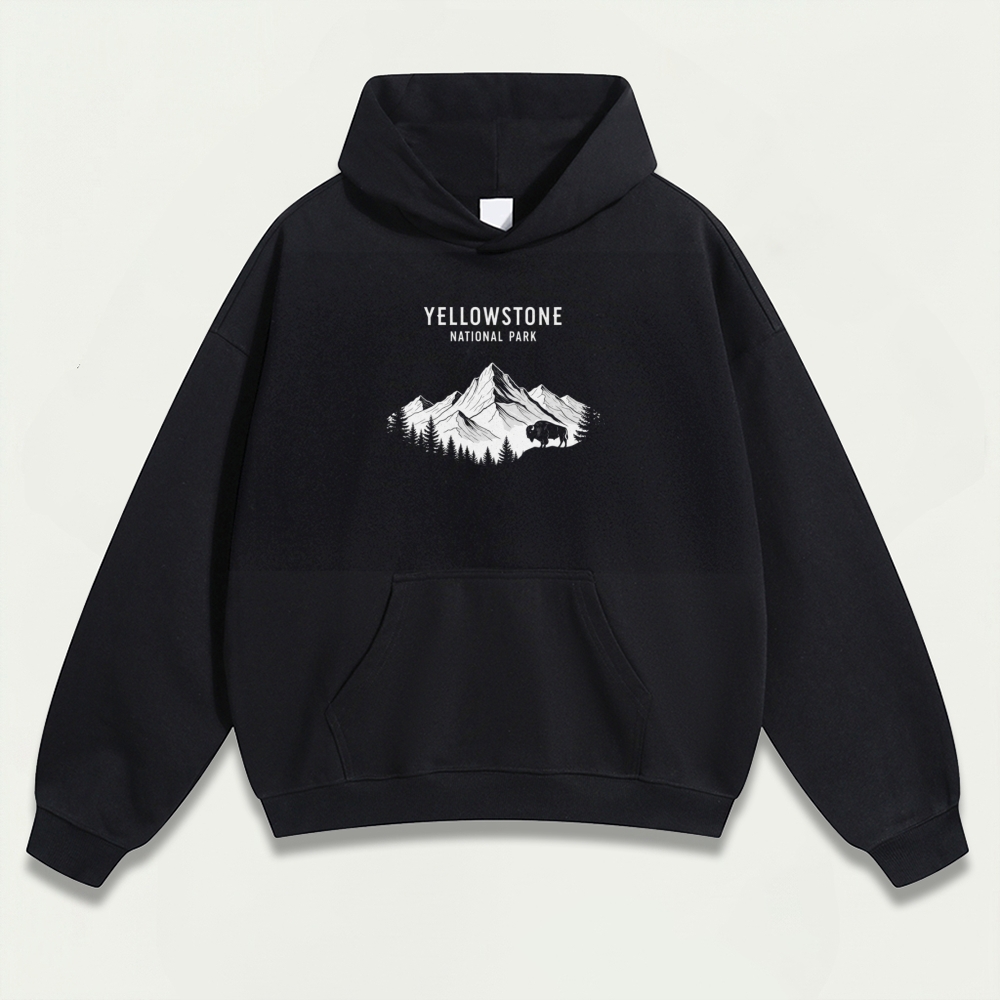
The hard part is the stand-still. After a brisk hike down a river trail, you may work the same confluence seam for forty minutes in a raw wind, feeding a nymph through the slot or swinging a streamer until a fish shows. Dress so you can walk without soaking a mid-layer in sweat, then hold still and keep casting without shivering when the light goes flat. A soft heavyweight hoodie over a base layer, with a light shell in the pack, is easier to manage than one stiff coat you have to shed on the walk in and fight back into at the next bend. Sticky-soled boots matter as much as the layer: late-November gravel and riverside rock pick up slime, rain, and sometimes frost.
Browse trout layers like the Brown Trout Heavyweight Trail Hoodie when you want a warm mid-layer that still looks right on a cold river trail. For a stream-scene graphic in the same heavyweight fleece, see the Brown Trout Stream Heavyweight Trail Hoodie. More rainbow, brook, and brown trout artwork lives in the Trout collection, and a broader set of angler graphics is in the Fishing collection.
Quick late-fall brown trout checklist
- A light or medium trout rod you already trust—spin or fly—with fresh tippet or light fluorocarbon
- A short tray of egg patterns, small nymphs, and a couple of streamers you can swing or strip slowly
- Polarized sunglasses for reading gravel color changes, seams, and fish without guessing
- Soft mid-layer hoodie plus a packable wind or rain shell
- Thin gloves you can pick line or tie a knot in, or strip quickly for a hookset
- A headlamp for the walk out—short November days end while you are still on the trail
- Ice-aware, sticky-soled boots; late-fall gravel bars and river rock get slick after a freeze
- A small net and forceps; unhook fish quickly in cold air and keep them in the water when you can
If you want a broader set of angler graphics for the same cold-bank days, more fishing artwork lives in the Fishing collection.
Give the gravel some room
Late-fall brown trout are often on or near redds, and a fish that looks solid can still stress quickly in cold air. Stay off the clean, light-colored gravel where fish have dug. If you can see a redd, fish the deeper slot below or beside it, not across the bed. Keep fish in the water when you can, support the body horizontally, and get photos done in seconds, not minutes. Check local seasons and closures before you go—some trout water shuts down or changes rules as the spawn and winter come in.
Give other anglers room on short public bars, narrow river trails, and obvious confluence pools. A visible fish is not an excuse to wade through someone else's water or step on the gravel they are trying to protect. Pack out every scrap of line. Watch your footing on wet stone after an overnight freeze, and treat high, cold current with respect.
Wrap-up: walk the gravel, then fish the water next to it
Late-fall brown trout reward anglers who treat the river as a trail of honest structure: walk to the next tributary mouth or first deep slot below a riffle, keep a quiet bait in the darker water beside the gravel, and leave the redds alone. Stay warm enough to be patient, and the last fish of the short day is often the one that ate after you slowed down.
Ready to layer up for the next cold river walk? Shop fishing-themed trail layers in the Trout collection or browse all heavyweight trail hoodies built for slick gravel bars, wet river trails, and the ride home.